

BIOMATERIALS
Innovative circular economy materials for drywall, interior design & furniture industry
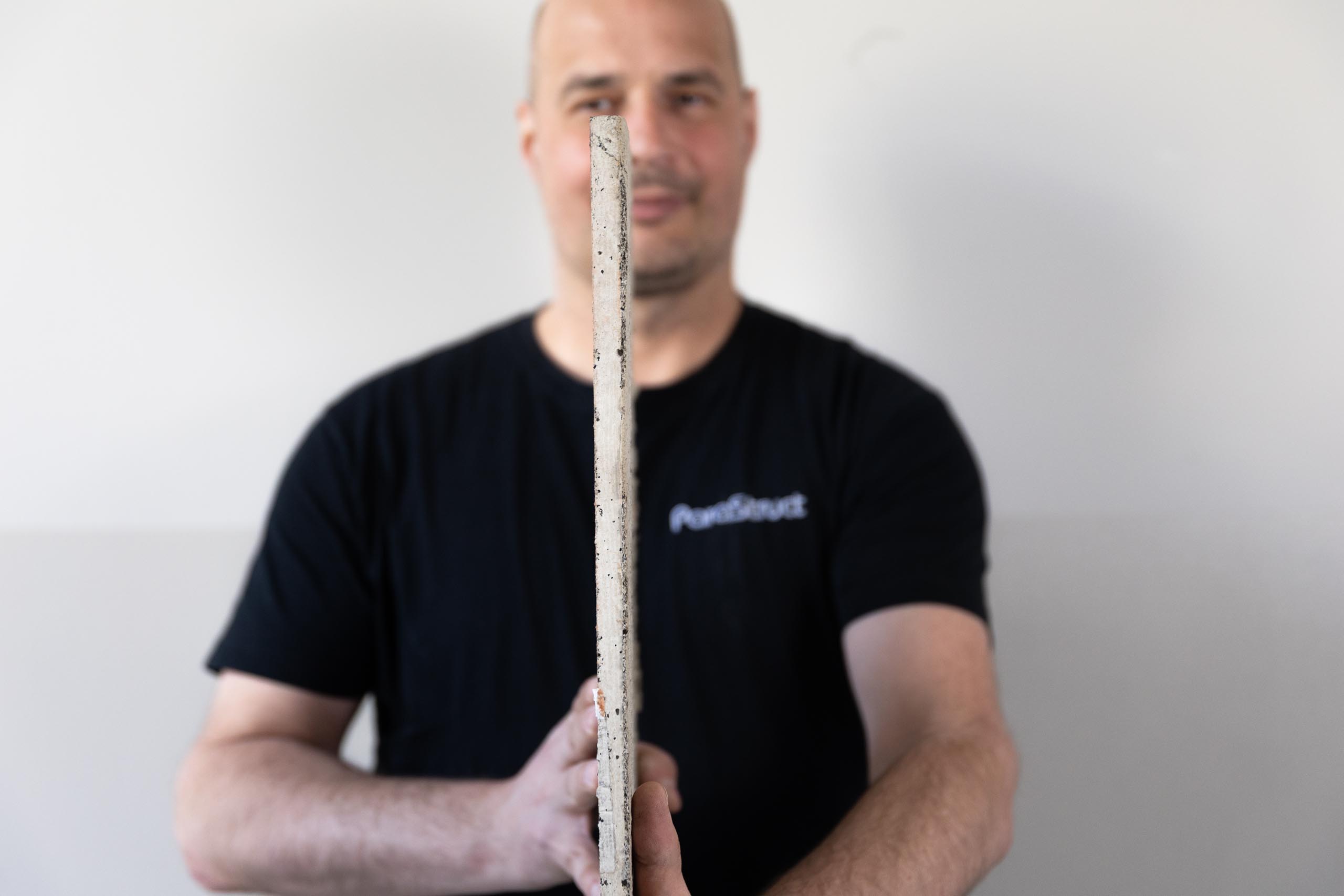
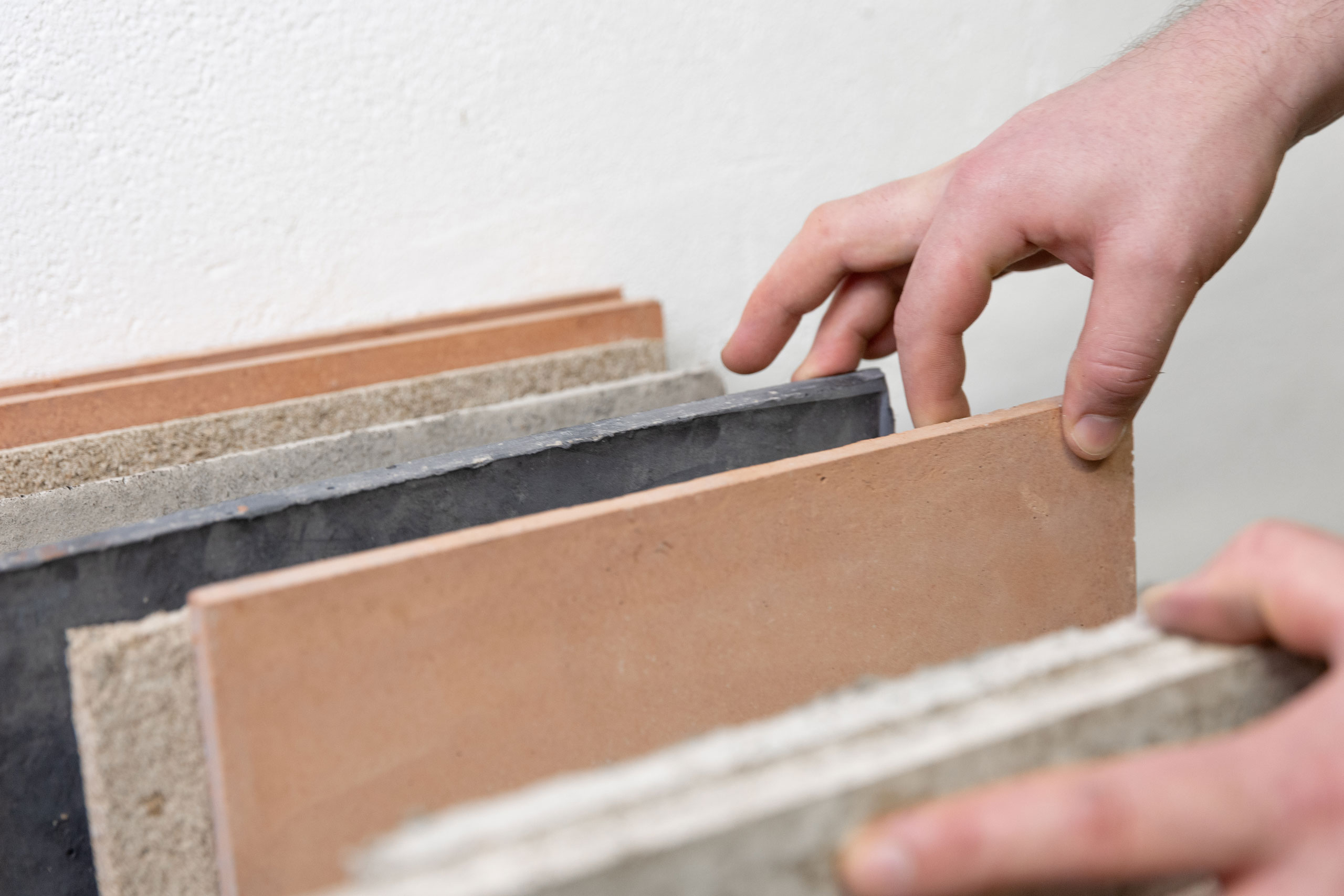
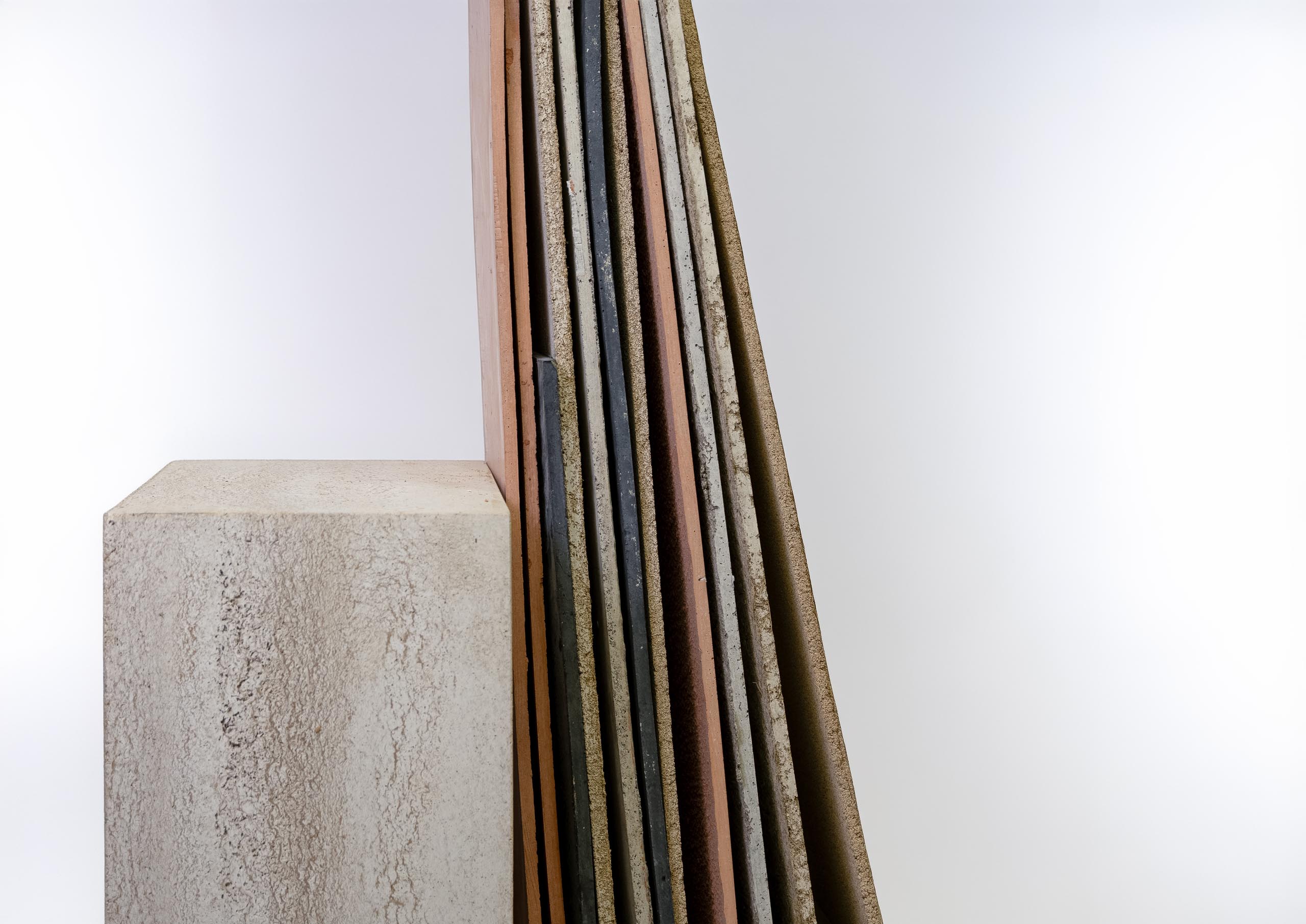
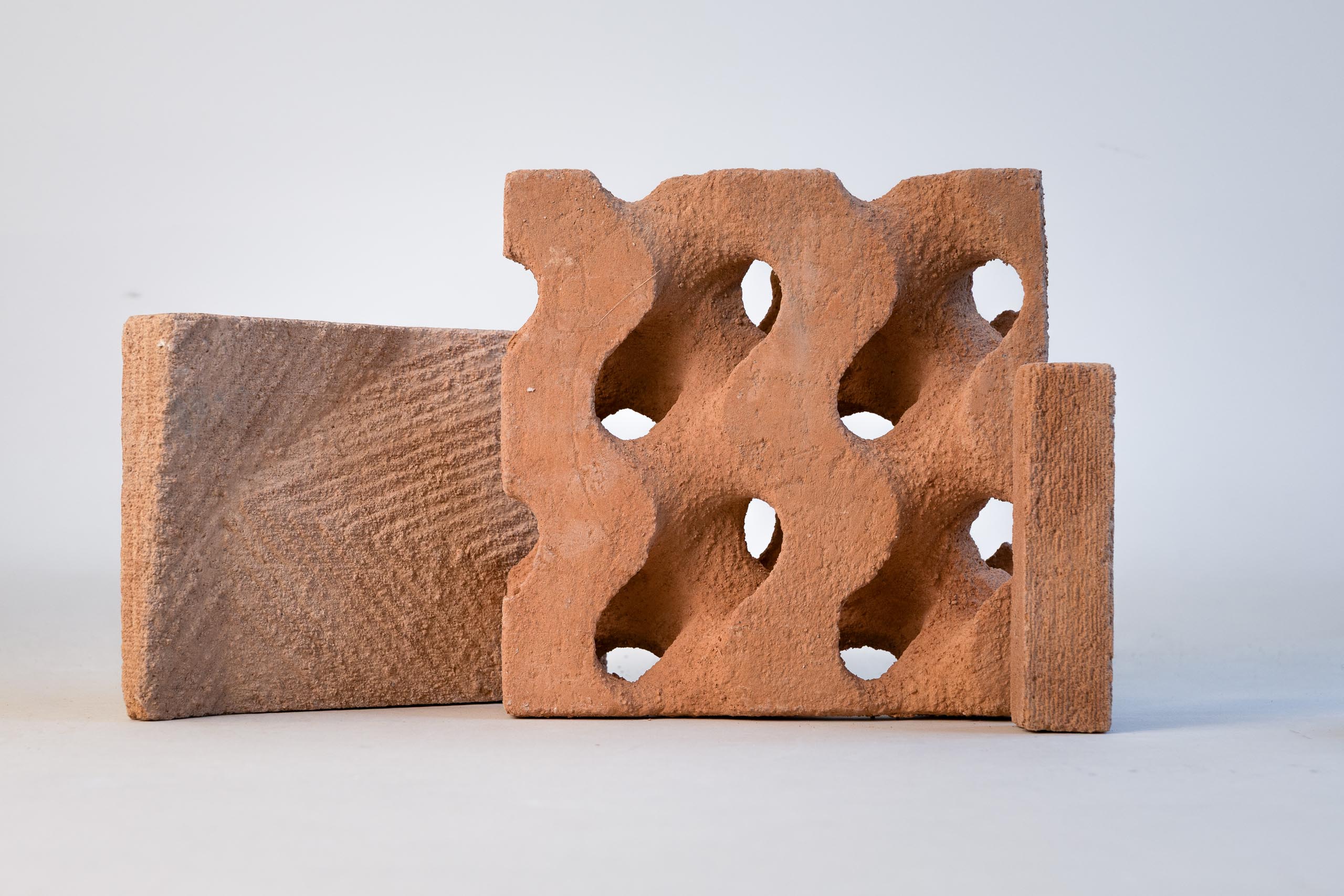
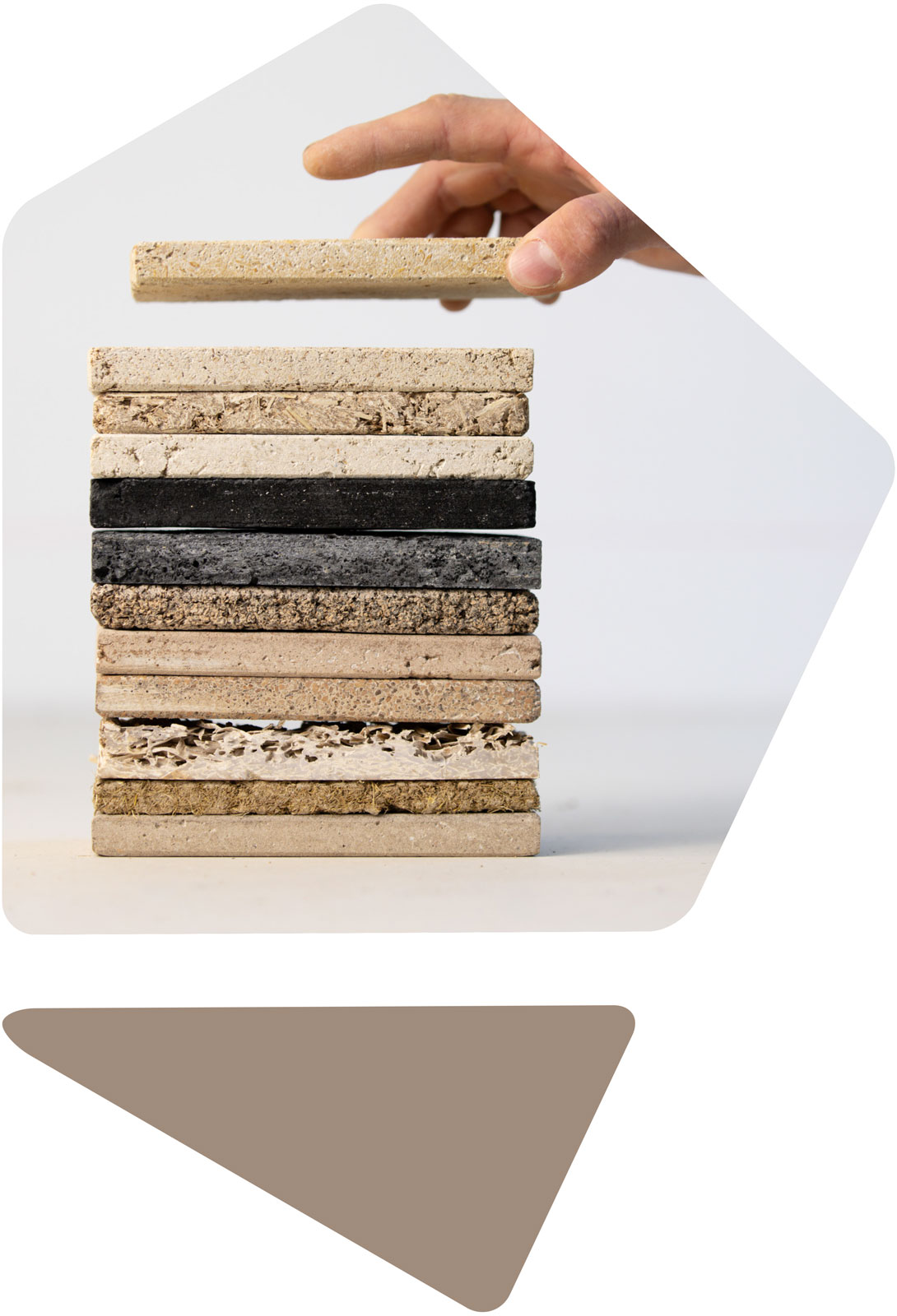
BioMaterials are alternative materials available as panels, blocks & casting compounds. Suitable as filler and for surfaces, with complete elimination of adhesives and specialty chemicals.
- Performance spectrum modular according to customer requirements
- Regional plant residues conserve resources
- Processable with standard methods, using existing equipment
BioMaterials at a glance
Natural design without formaldehyde & specialty chemicals
BioMaterials utilize ParaStruct’s mineral binder system and can be ground for further use.
Surfaces with character
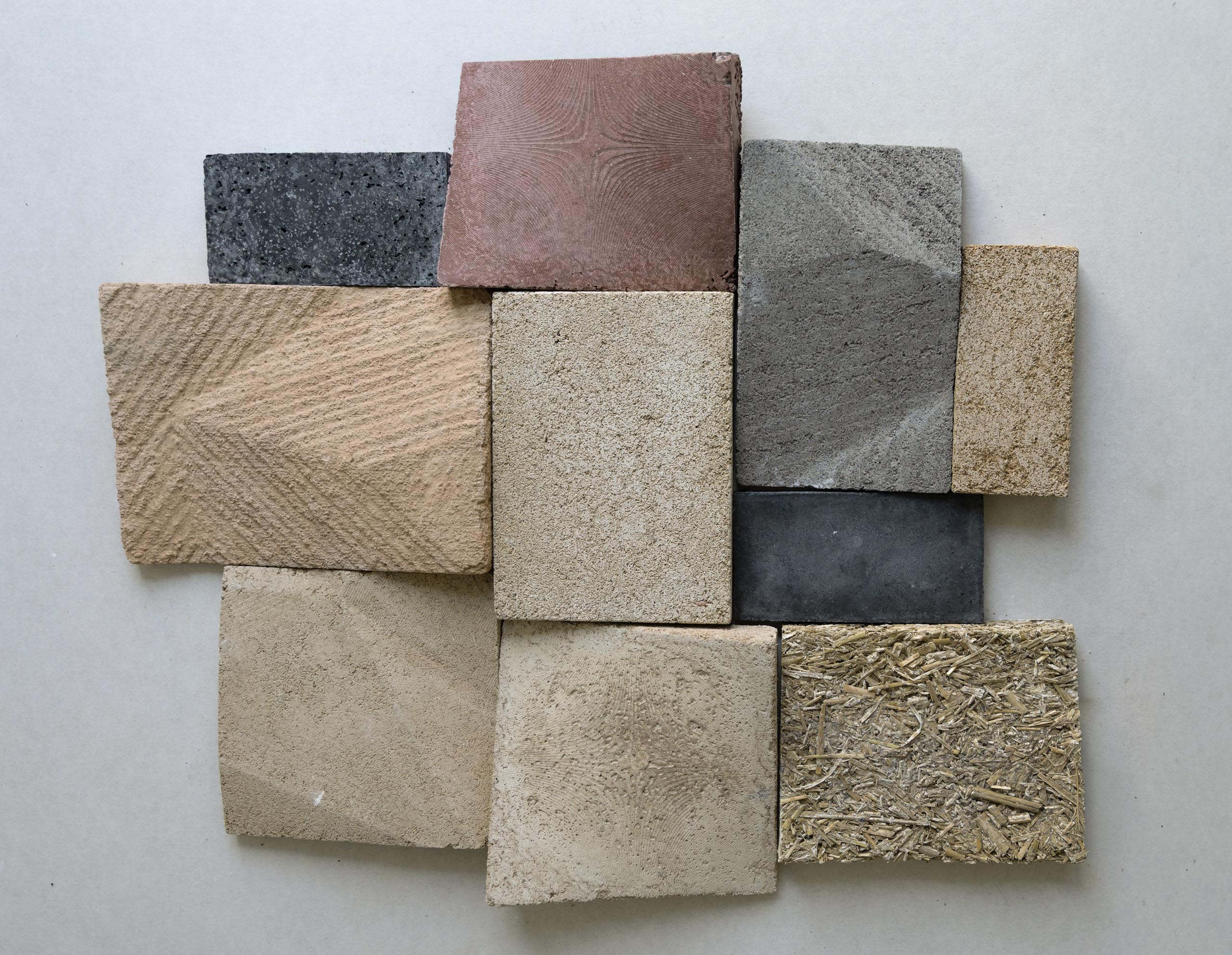
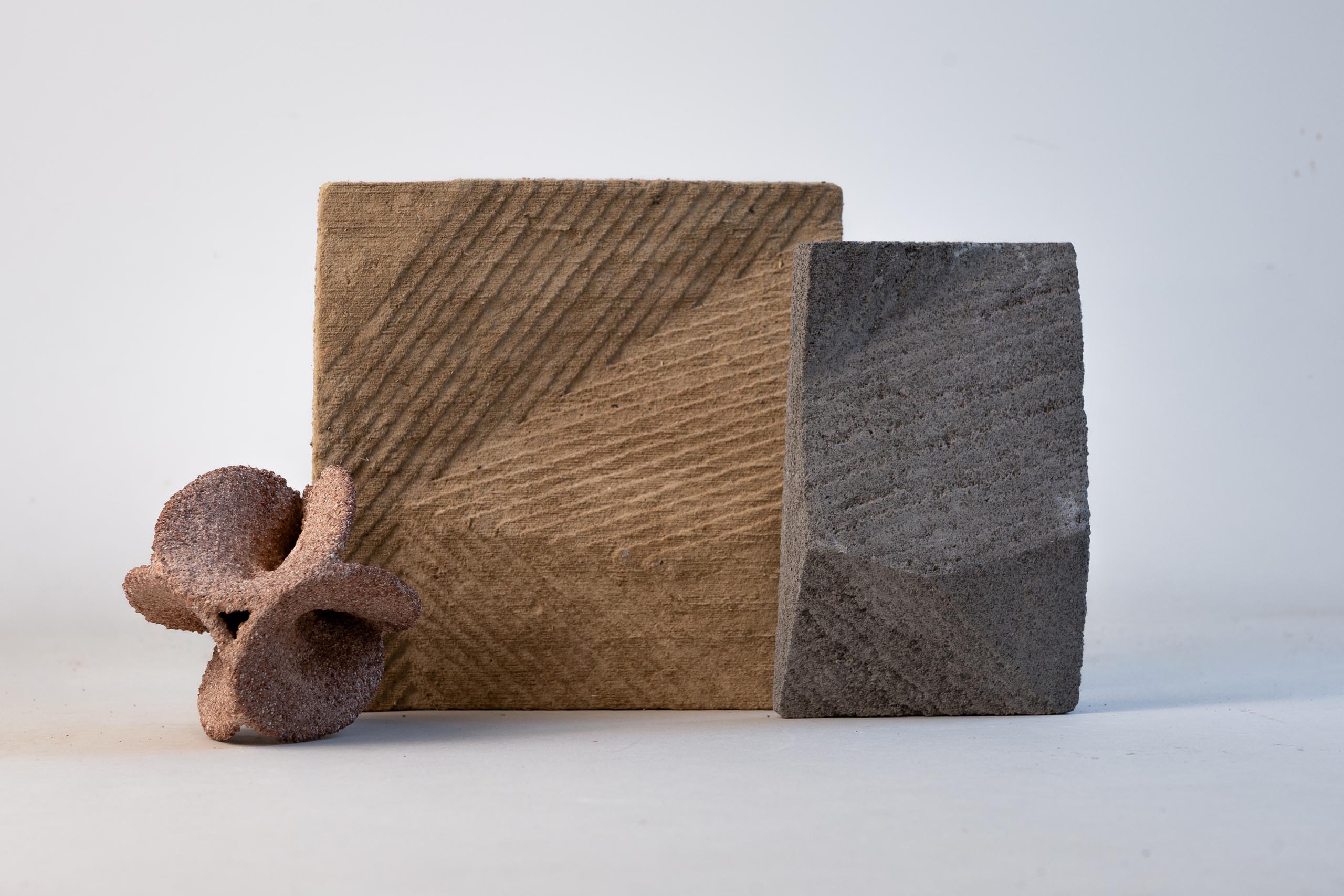
A wide range of surface structures, haptics and color variants, suitable for diverse applications.
Regional raw materials & competitive advantages
ParaStruct develops and optimizes material compositions for manufacturing as locally as possible. Through participation and utilization of regional capacities, transport routes are minimized.
Principle
Existing plant residue streams are transformed into high-quality, competitive circular economy materials with added value for the region.
So that design can evolve in a future-proof manner

Resource conservation in the circular economy
Redesigning living spaces and making them sustainably secure.
Alternative materials with equal to superior performance at competitive costs offer industry, processors and designers future-proof differentiation. After use, recycling into equivalent or higher-value products is possible.

Cost-effectiveness
Competitive today, price advantage tomorrow.
Costs are in the range of OSB/MDF panels, while machinery and tools can continue to be used as usual.

Material quality
Based on natural plants, BioMaterials offer versatility, connection to nature and complete design freedom.
No hazardous waste is generated, no health risks for processors and, ideally, regional connection with your product.
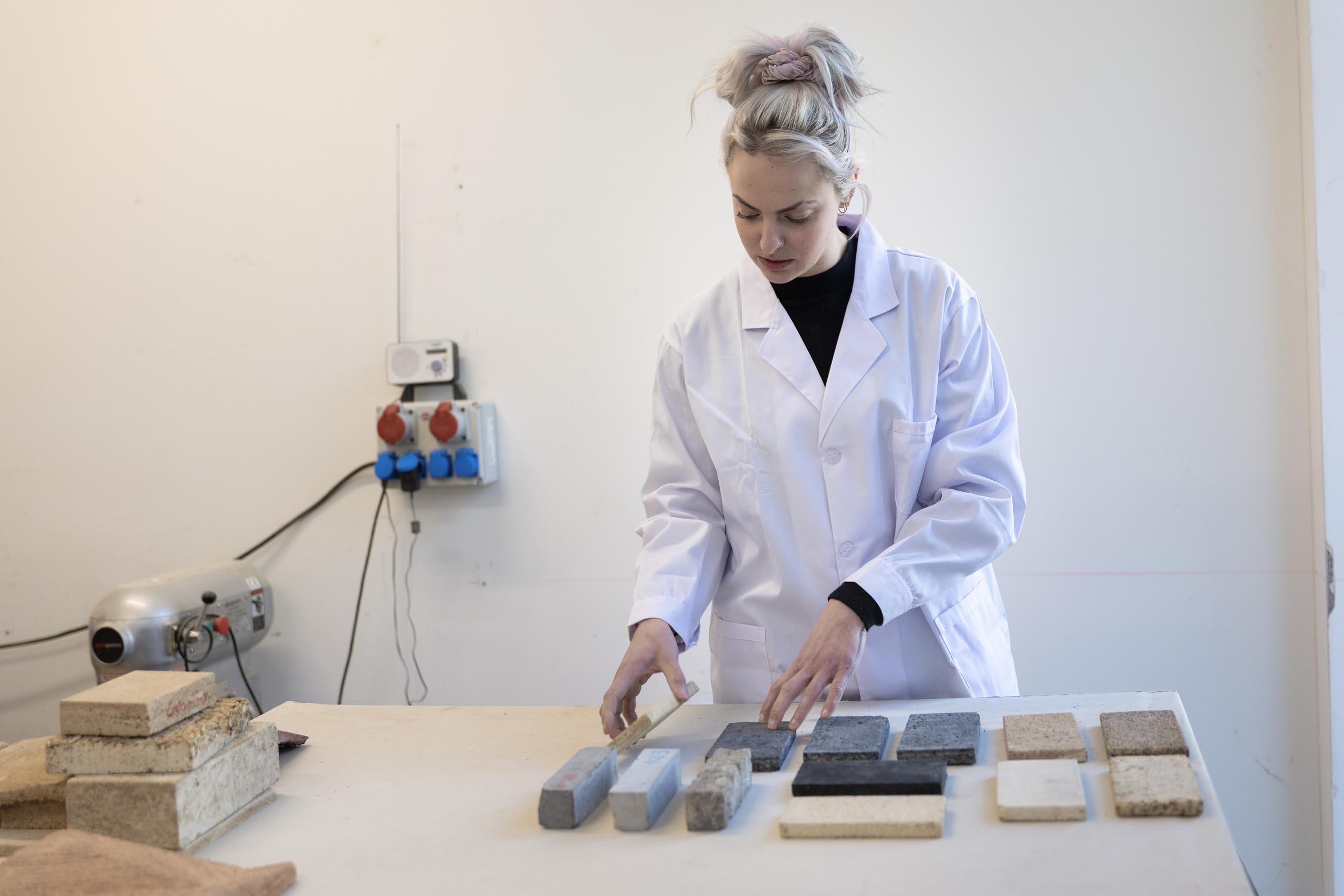
With BioMaterials, we combine the advantages of mineral and plant-based materials: durability and stability, sustainability and flexible processing
Dr. Freia Ruegenberg
Residual materials become BioMaterials.
ParaStruct’s material platform combines residues from various useful & cultivated plants with the recyclable mineral binder. Here, plant material from various trees, grasses & annual plants as well as cellulose or biochar is transformed into valuable materials.
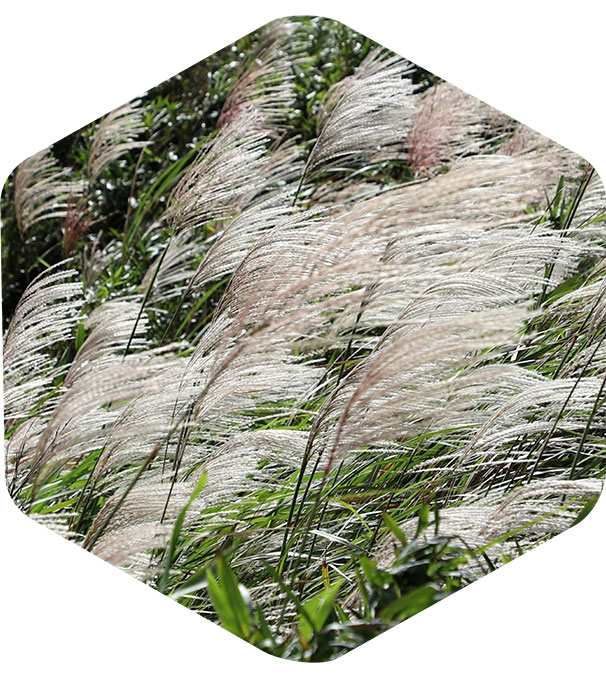
Grasses & Annual Plants
(e.g. Miscanthus)
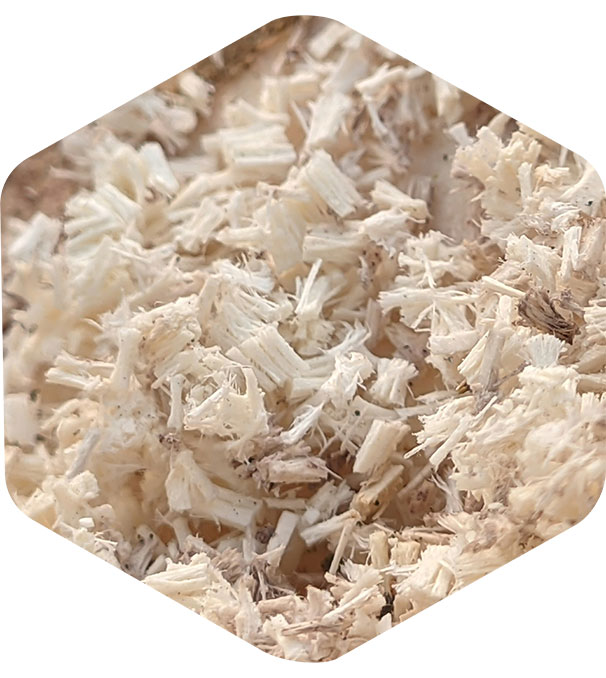
Wood residues
(e.g. Birch)
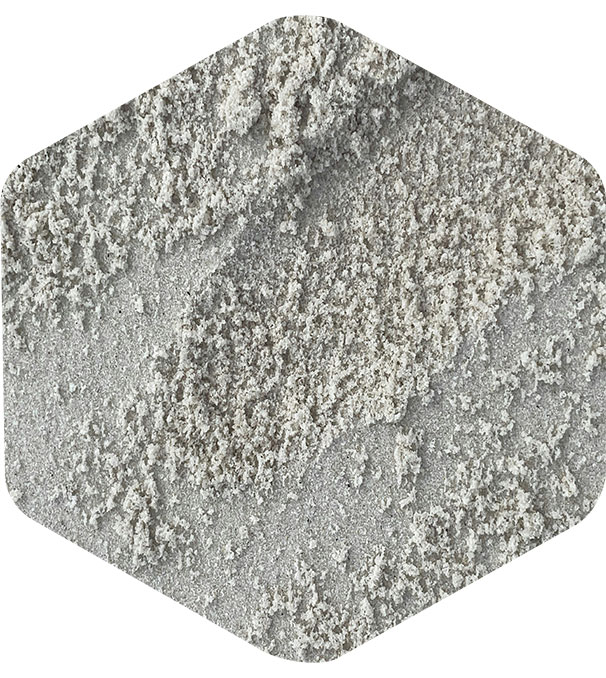
Recyclable
mineral binder
Updates & background

📈 Crowdinvesting
ParaStruct offers a open Crowdinvesting opportunity!
Join us in reshaping industries and enabling affordable quality of living.

📅 Milano Design Week 2026
ParaStruct’s BioMaterials in „The New State Of Materials“ in Isola district, Milano

Frequently asked questions
We answer the most important questions.
BioMaterials utilize different residue streams, which can cause costs to vary. The more regional the manufacturing can be, the more advantageous for the participating companies. We are happy to discuss an assessment of your project in a non-binding initial conversation.
ParaStruct’s technology is primarily aimed at industry and processing businesses. Accordingly, project-specific offers for your projects are possible at any time. In the end-customer segment, BioMaterials can only be offered in subsequent years.
No. Through the use of natural resources and purely mineral binders, BioMaterials pose no risk to people or nature.
The most valuable and ecologically relevant component of BioMaterials, the mineral binder, can be recovered using ParaStruct’s recycling process. The plant-based fillers contribute thermal energy to the binder reactivation process. Work is underway on a process for industrial recovery of the binder and separation of fillers.
Currently from European partner companies. ParaStruct aims to establish a production network, thereby opening up new business fields for local/regional companies. Designers receive a broad material palette that is economical, sustainable and versatile. Additional production capacities will be created according to demand.
Interested companies schedule a non-binding conversation and will subsequently discuss details and timeframe with founder and CEO Georg Breitenberger.
Let's break new ground together.
A short video call is all it takes – we clarify application, availability, and the best way to start (sample or test area).