

Circular economy
Innovative technology for an industrial circular economy
ParaStruct develops material technologies that turn biogenic and mineral residual materials into high-performance building materials for construction, interiors, and industry. This creates products that make high-quality use of resources, enable material cycles, and remain economically viable.
- High-quality use of residual and by-product streams
- No cementitious or organic binders in the systems described
- Foundation for circular products with regional scaling
High-quality materials are created from previously underutilized material streams:

Plant-based residual materials
Wood by-products as well as biomass from grasses and annual plants from agriculture and forestry.

Mineral material streams
Mineral residual materials and fillers can also be integrated into suitable applications.

Binder reactivation
ParaStruct’s material systems are based on recyclable mineral binders instead of CO2-intensive cement or plastic-based binders.

Product platform instead of a one-off solution
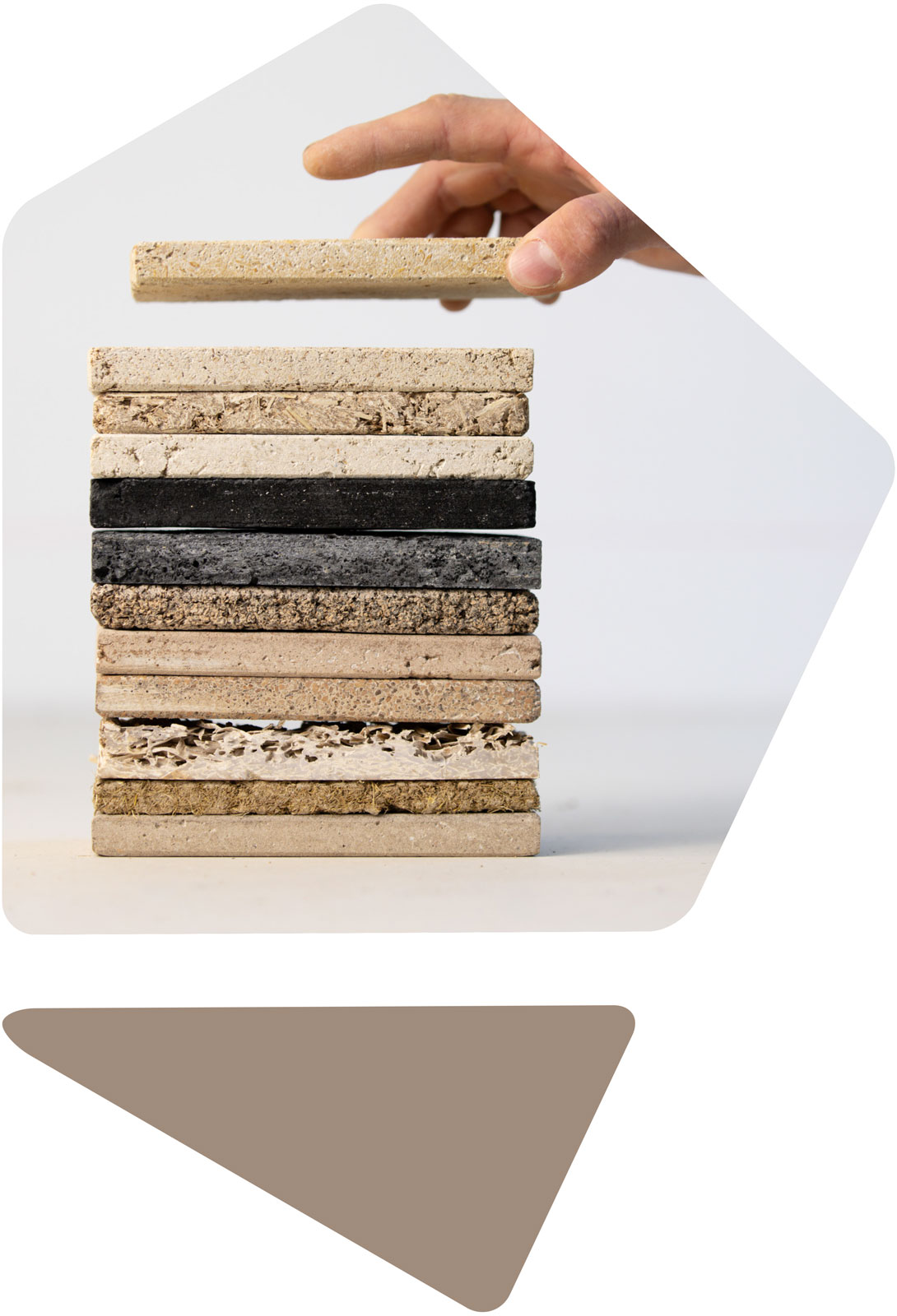
Different applications such as BioScreed and BioMaterials are created from the same material platform.
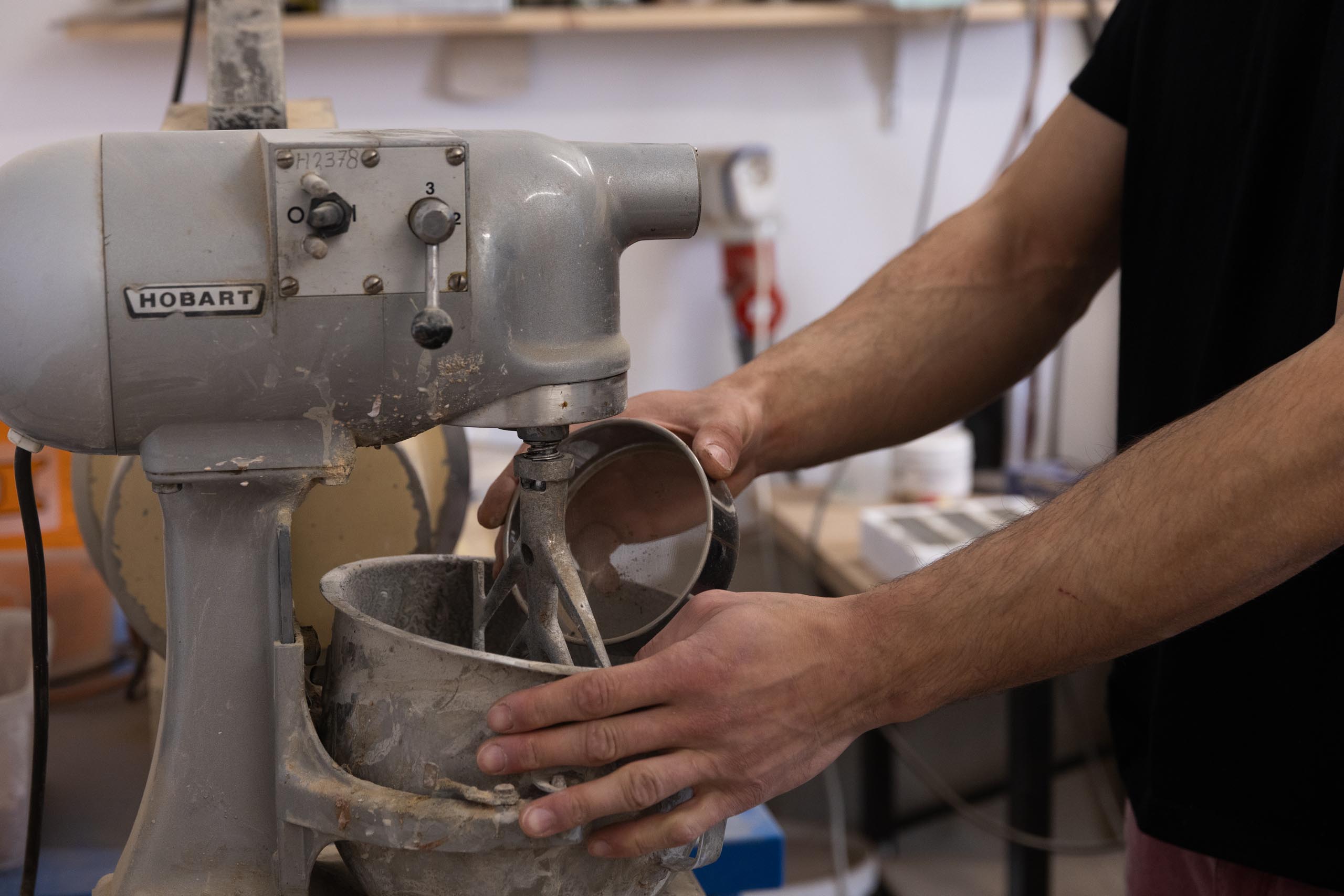
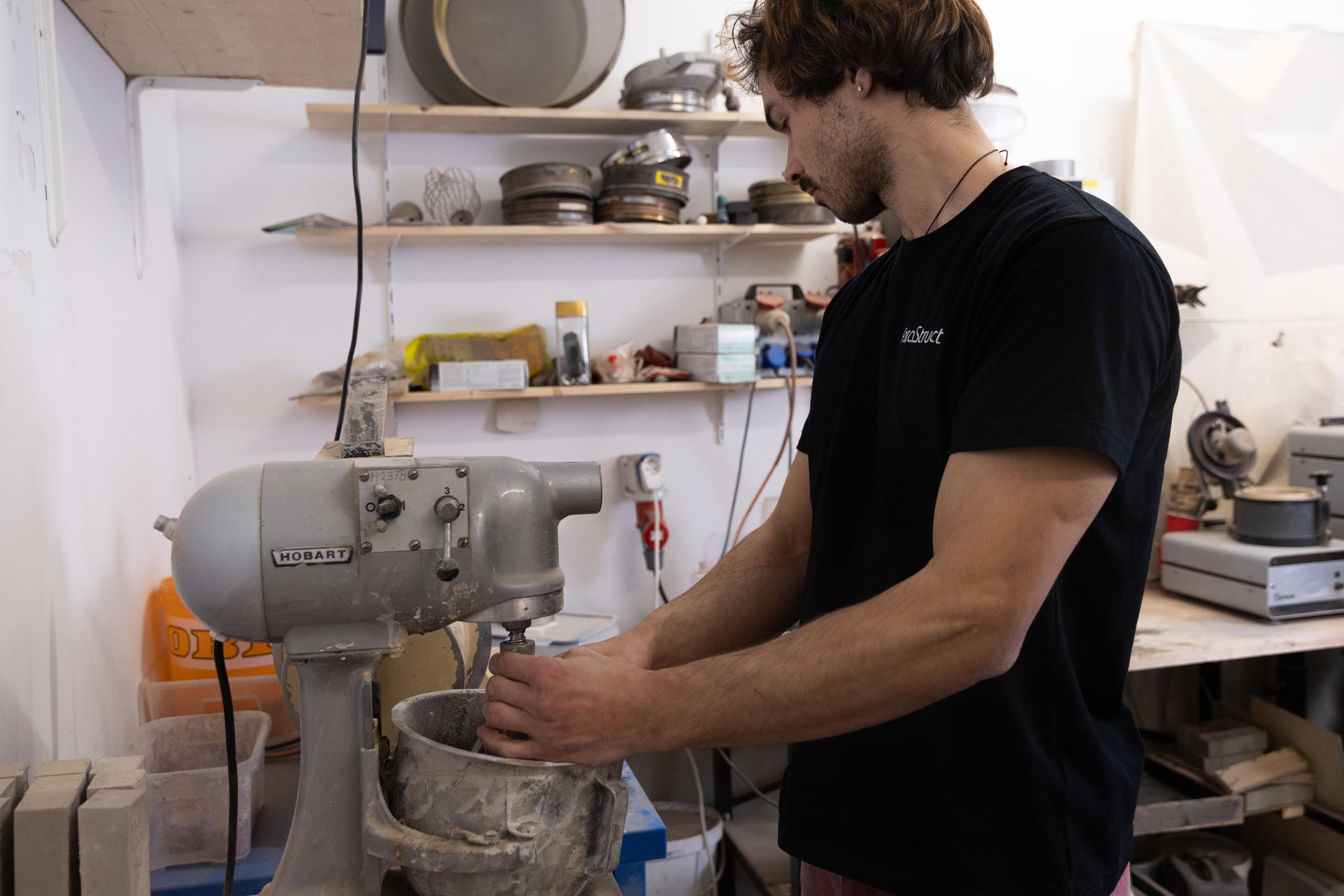
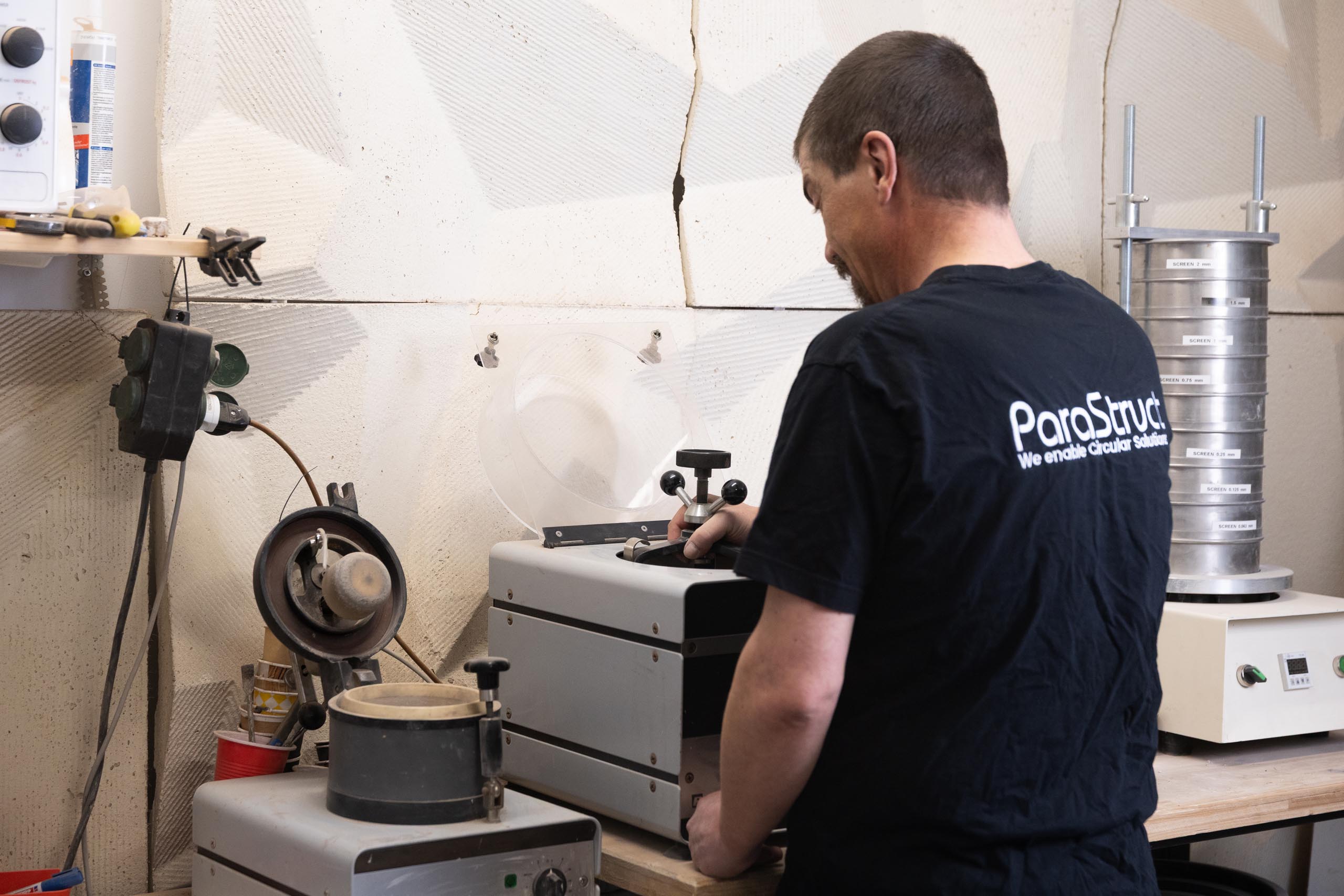
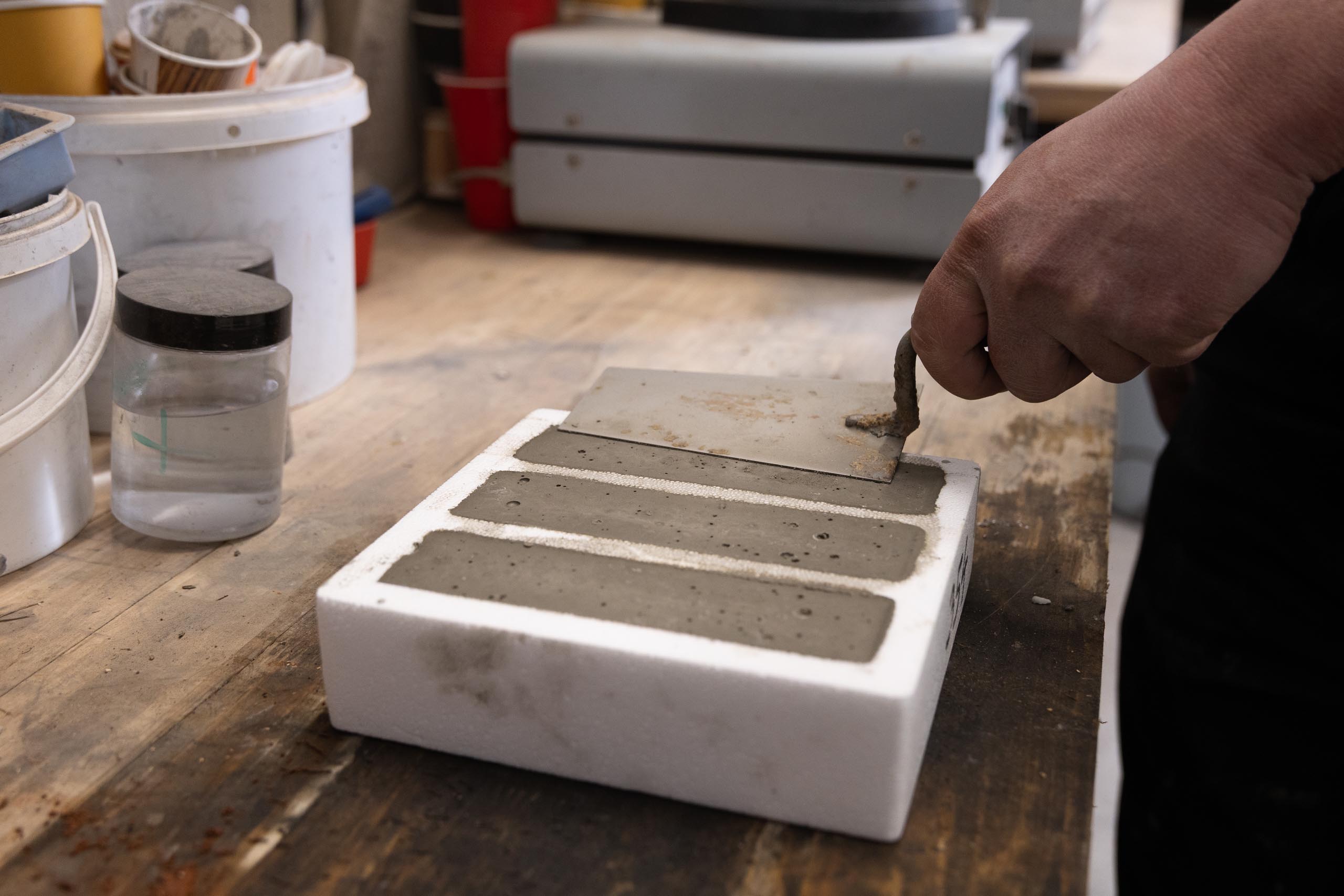
What the technology enables in practice
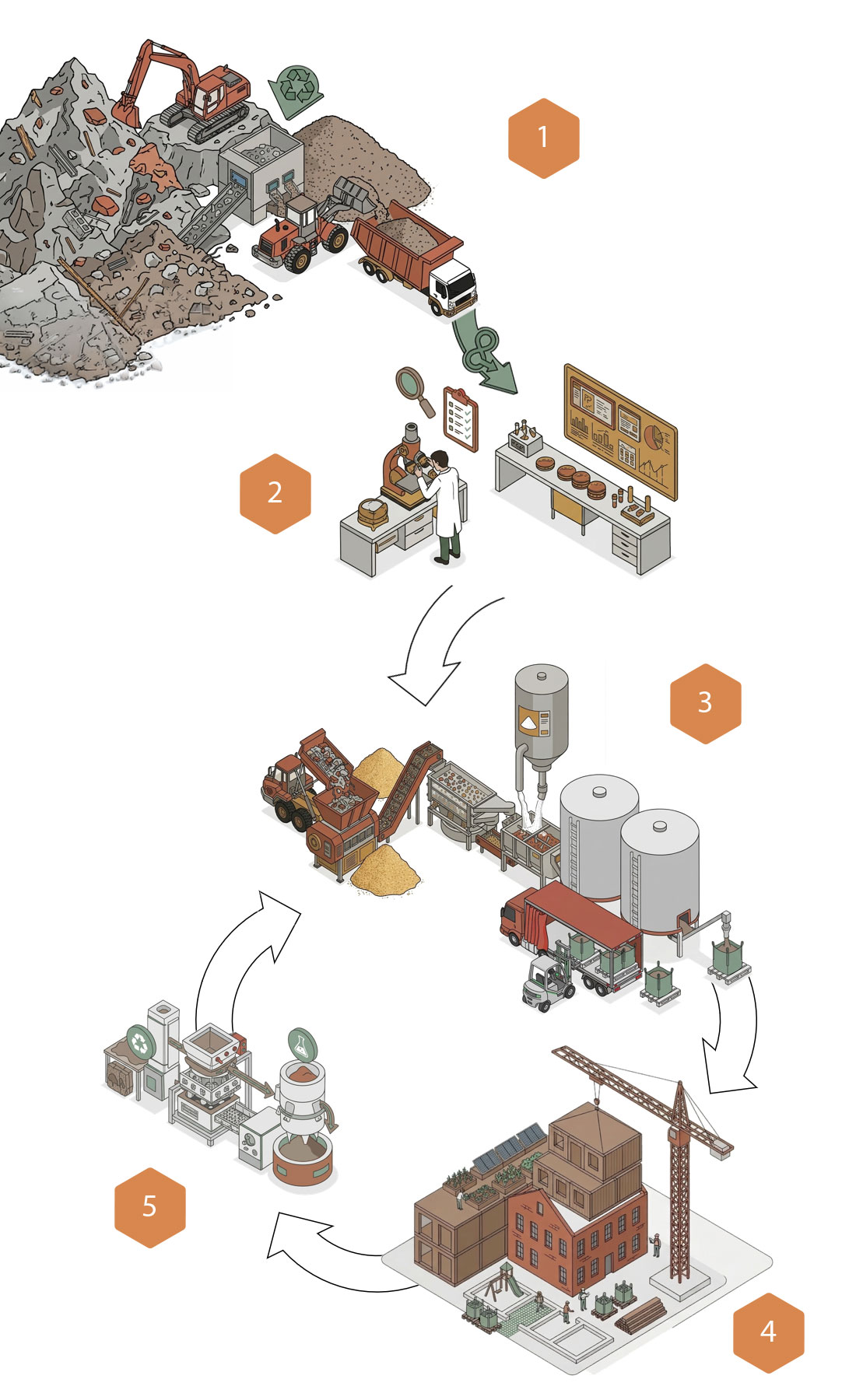
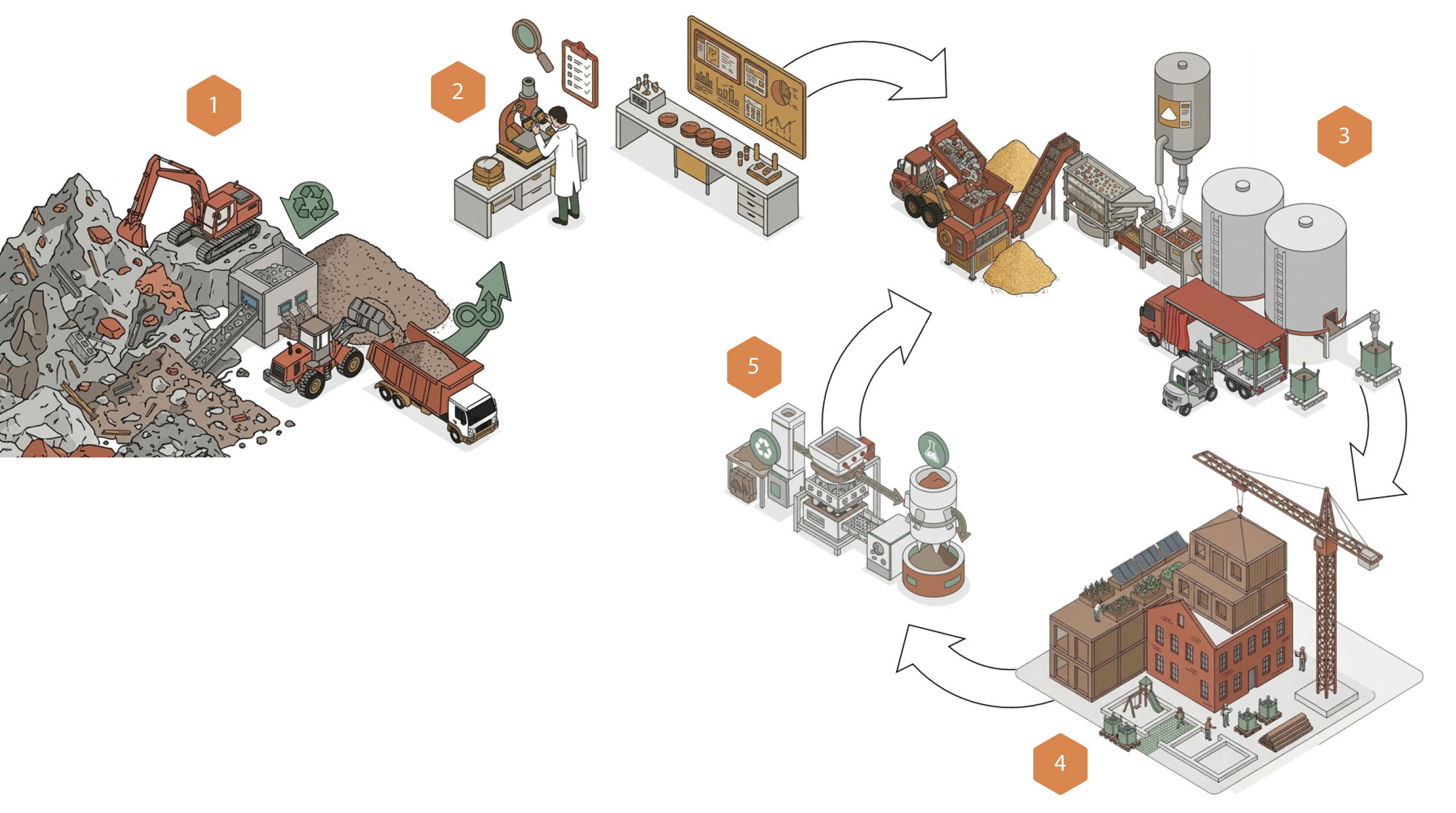
Mineral and biogenic waste streams occur in enormous quantities. These can include construction rubble, mineral dusts, or residual brick material. Plant residues, sawmill by-products, and residues from the food industry are often only used in low-value ways, e.g., for thermal use or bonded into hazardous waste.
ParaStruct analyses these material streams and develops high-performing, CO2-efficient and resource-conserving building materials and engineered materials for a wide range of industries and applications. This creates an opportunity rather than a cost for industry, and high-quality, circular products at competitive prices for the construction and furniture industries.
In addition to a shift in mindset, the circular economy also requires a different logic of action. ParaStruct enables regional industries and local companies to expand value creation opportunities and achieve even better conditions when providing circular building materials.
Future-proof, affordable housing builds on what already exists and uses what is available as effectively as possible. Competitive circular building materials offer builders a fast entry into the circular economy and provide project developers—private and public alike—with better financing terms.
ParaStruct’s expertise in materials science and circular processes continues to be applied even after a product’s useful life has ended, enabling its recovery in the future as a raw material for products of the same or higher quality.
The technology results in tangible solutions
ParaStruct’s technology is not an end in itself. It serves to develop products that work in everyday construction and in industrial applications—economically viable, easy to process, and with clear added value for users, planners, and partners.
BioScreed
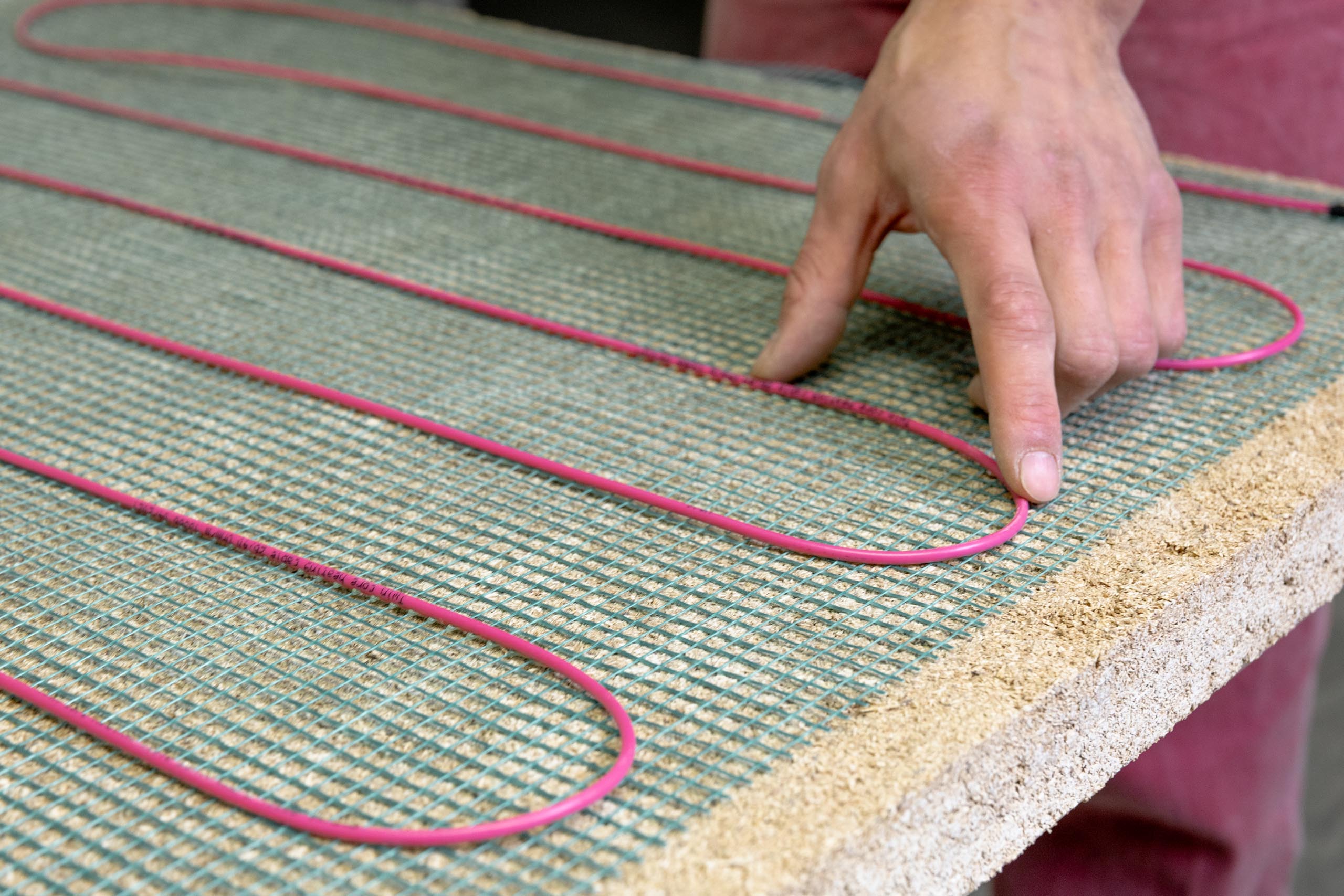
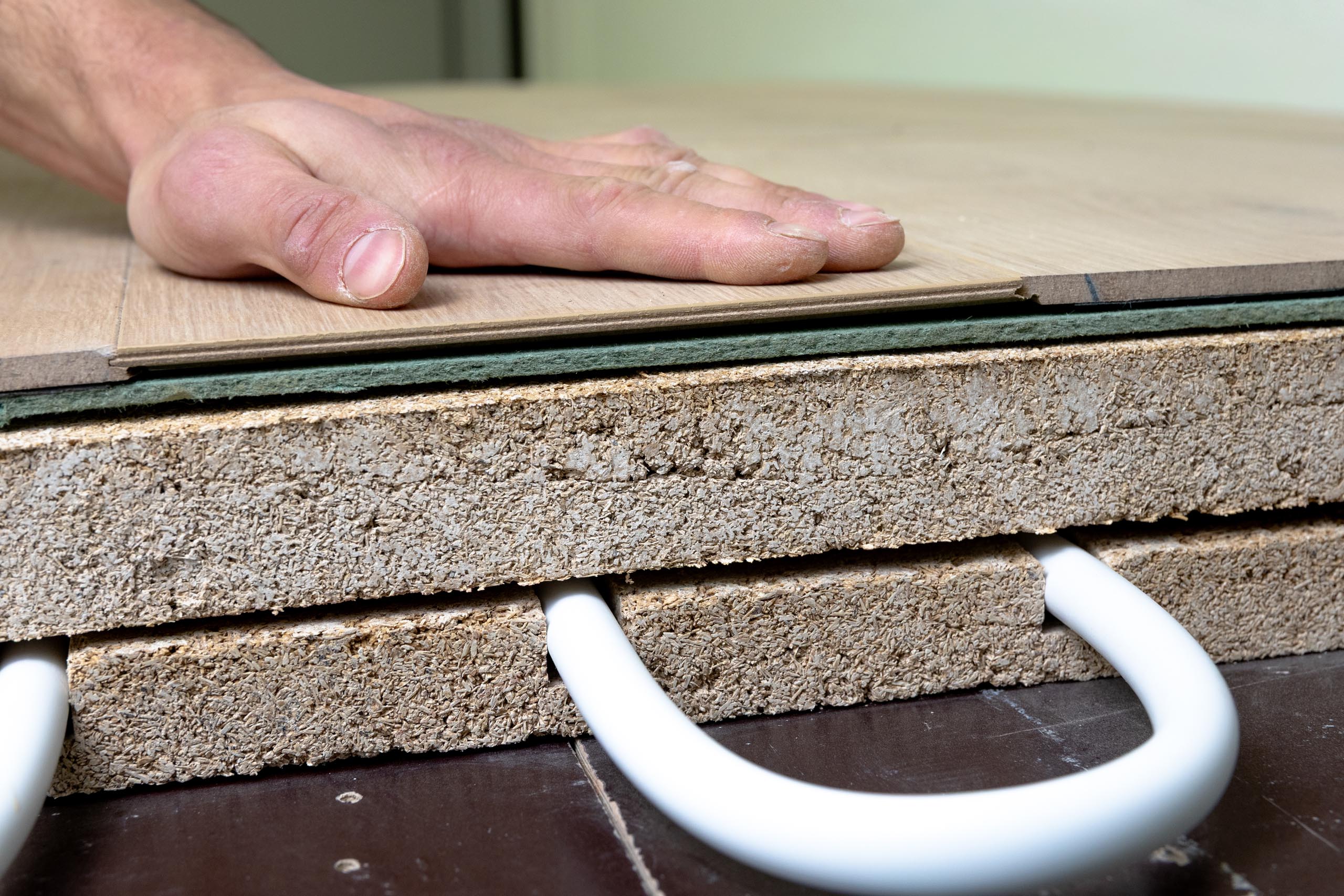
Circular screed for faster, more economical, and lower-emission construction processes. BioScreed is made from sawmill residues and a recyclable mineral binder. The material is designed for existing machinery and industrial processes and combines practical suitability with lower construction moisture, faster walkability, and a compelling story for decarbonisation and value creation.
- Walkable after 24h – quick continuation of work
- Suitable for solid construction, timber construction, hybrid construction, and modular construction
- Familiar processing with existing processes
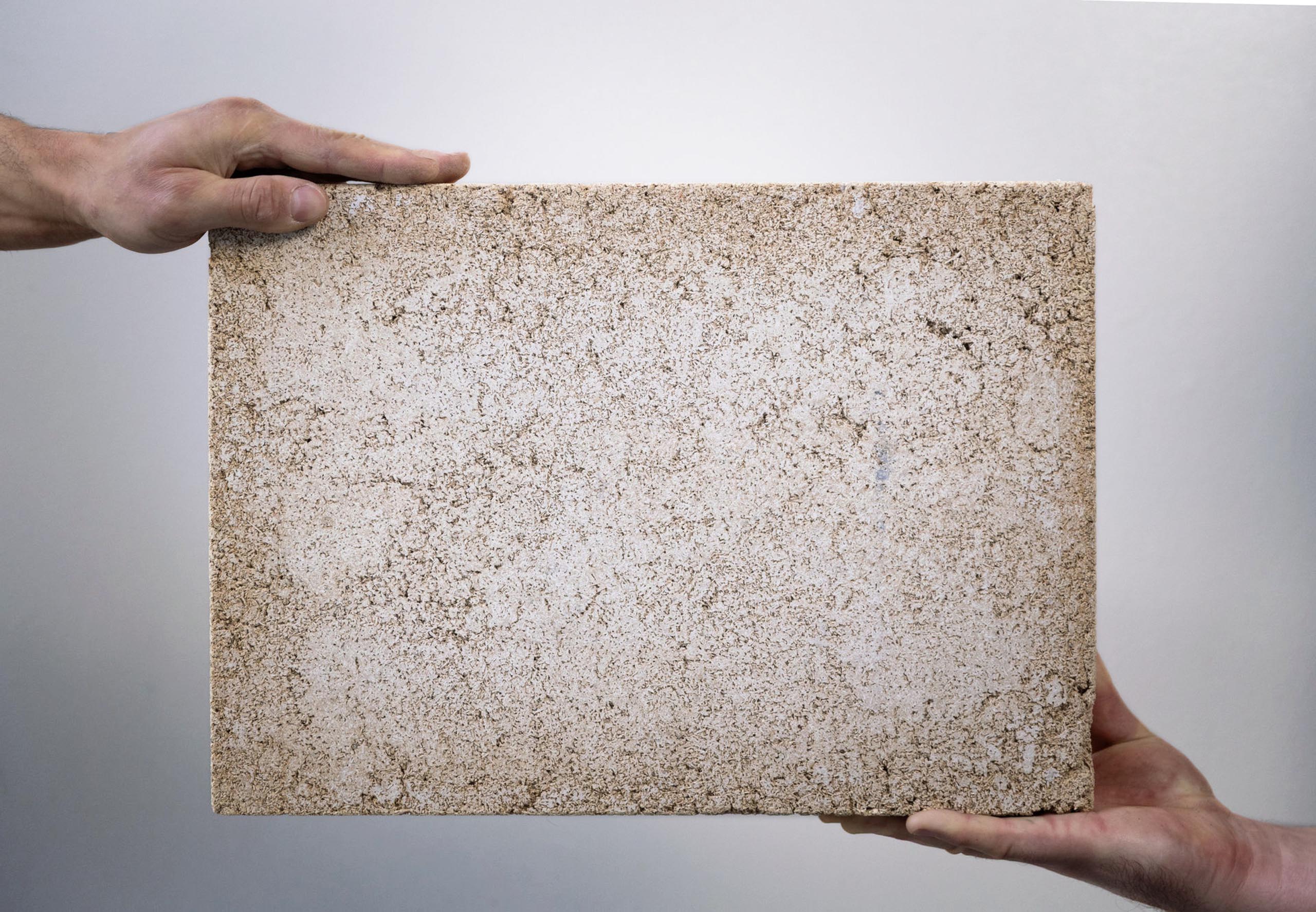
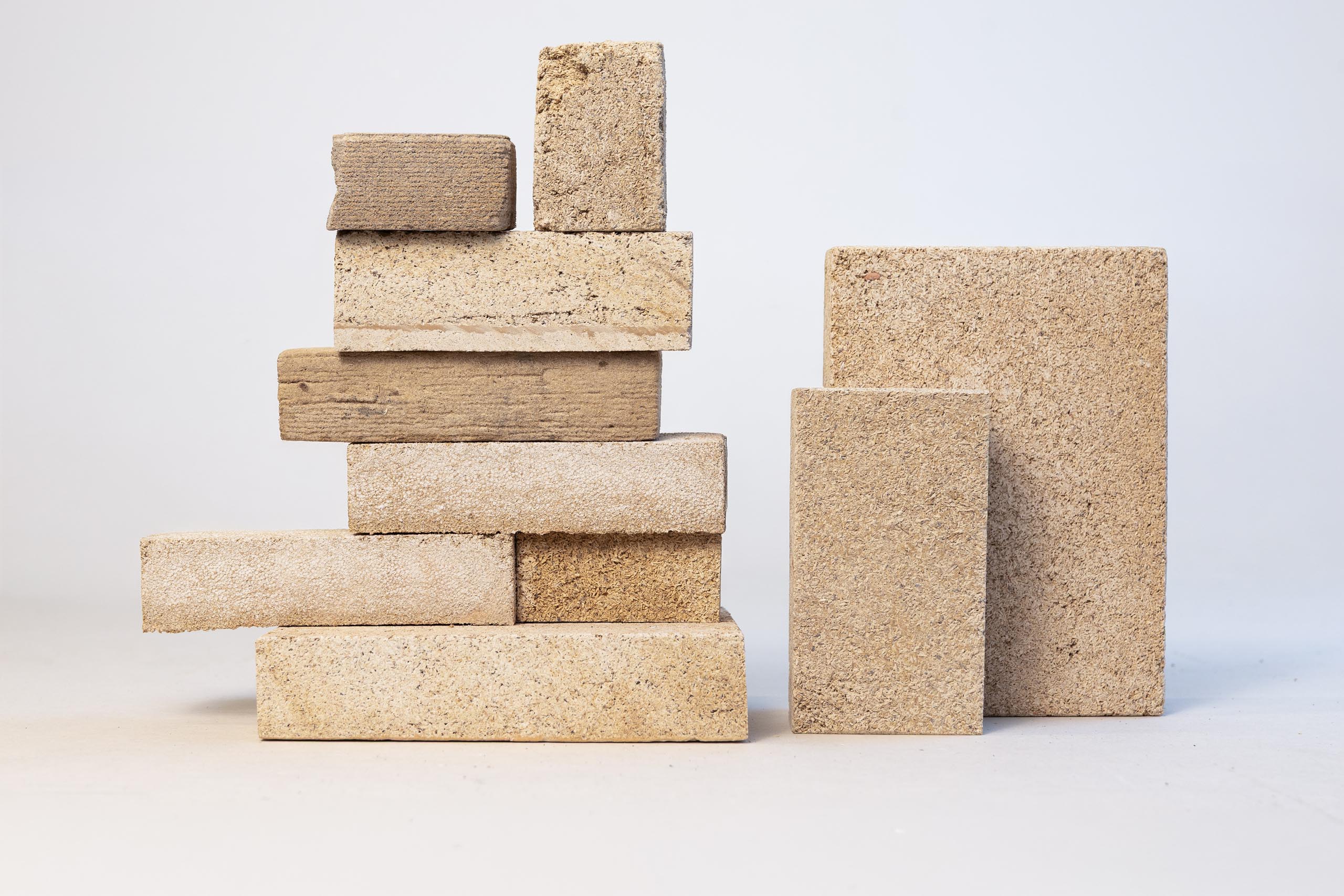
BioMaterials
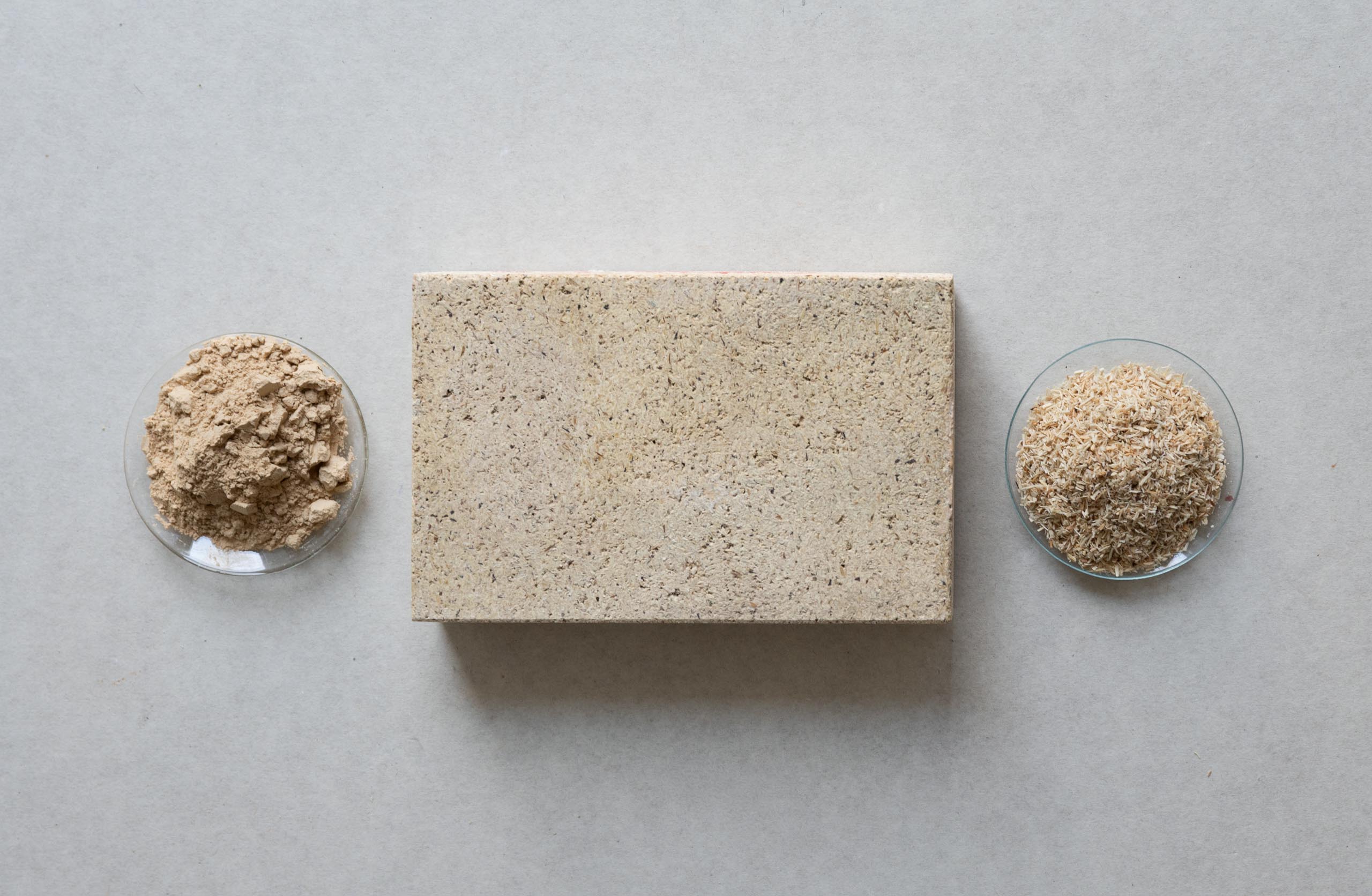
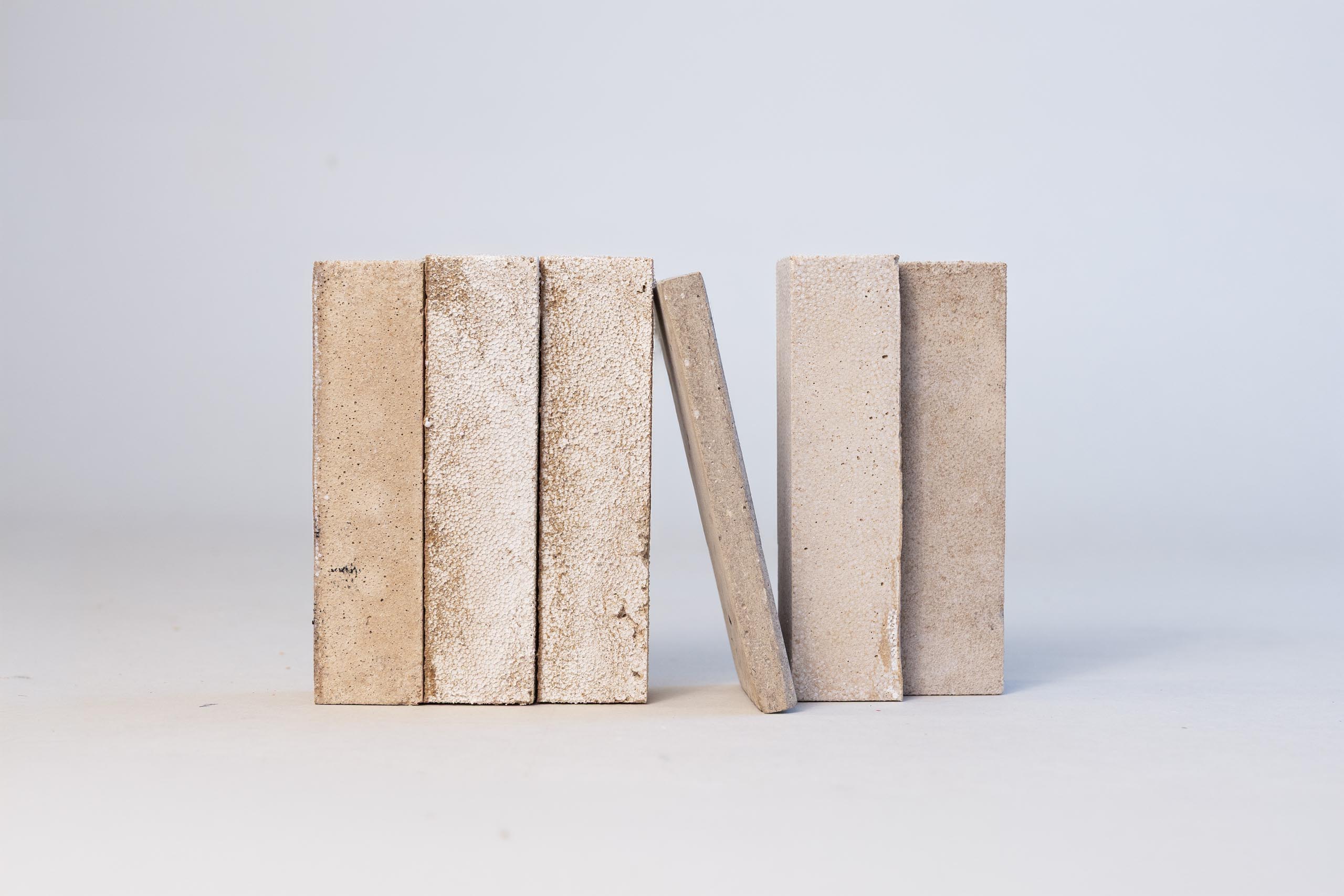
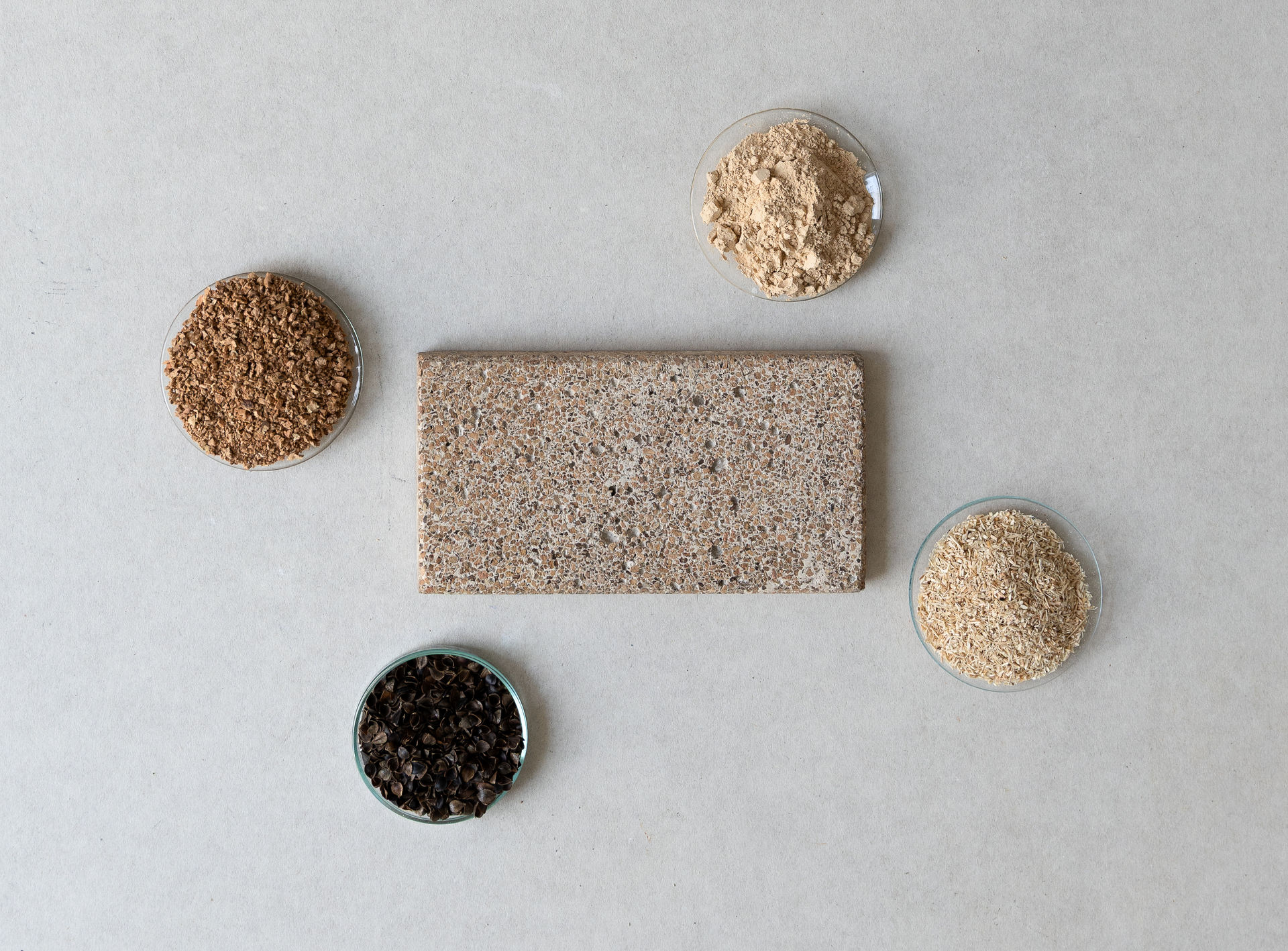
Circular engineered materials for drywall, furniture, and interior design. BioMaterials uses plant-based fillers and recyclable binders for materials with variable density, surface, and function. The material can be machined and repaired and can be designed for different applications ranging from lightweight construction to highly stressed components.
- Up to 75% renewable raw materials
- Good workability and processability with standard tools
- Versatile feel, a wide range of surfaces, and repairability
Which contexts the technology is particularly interesting for

Construction projects andproject development
Of interest to stakeholders looking for cost-effective building materials with ESG, CO2, and value-enhancement logic, while also keeping feasibility, risk, and verifiability in view.

Wood processing industry
Relevant for companies that want to create additional value from wood residues and co-products and open up new product fields.

Drywall, interiors, and furniture
Suitable for applications where familiar processing, low material risks, dimensional stability, and circular material logic are required.

Regional partner and production models
For partners interested in regional material streams, short transport routes, and scalable supply models.
Meeting future challenges with a competitive advantage


Dependence on increasingly expensive raw materials & energy
Industrial competitiveness depends entirely on future-proof core processes and the ongoing costs of primary resources, procurement, and the energy required for production. Innovatively closing material cycles - preferably at the regional level - not only reduces transportation distances and the staggering consumption of resources and energy, but also enhances resilience, local value creation, and a sense of connection to our built environment - across generations.
Rising costs for fossil-based building materials
A few dominant players dictate prices across the entire construction industry, which are rising significantly in the case of cement. Combined with CO2 pricing (ETS II, starting in 2028), construction projects will become even less profitable, despite high capital expenditure. The adoption of future-proof building materials and greater use of secondary raw materials are being held back in order to protect existing individual interests.
Tightened framework conditions
Business success in property development and real estate projects no longer depends solely on low construction and operating costs, but increasingly on the proactive mitigation of risks, liabilities, and accountability issues. After all, investments should not end up as “stranded assets,” and our construction methods should not place a burden on future generations. This is a material, interconnected concern.


Competitiveness through circular building materials
Innovative solutions create significant added value by building on already existing resources. By effectively implementing resource preservation, energy efficient practices, and the use of buildings as a material bank, planners, general building contractors, and craftsmen can achieve substantial differentiation. Pioneers are leading the way, offering stakeholders and business partners the next generation of sustainable business development.
Affordable housing, built for generations
Projects that evolve with users over time and, based on circular building materials, do not pose a future risk as a “stranded asset”. Better financing terms are included.
Regional value creation
ParaStruct’s innovative material technology enables the use of regionally available resources—minimising transport distances and costs. Are you and your business partners interested? Let us discuss possible cooperation.
What interested parties want to know about the technology
We answer the most important questions.
Let's break new ground together.
Whether it is a construction project, an interior solution, an industrial partnership, or a new use for existing residual materials: We would be pleased to discuss which applications already make sense today and which next steps are realistically suitable for your context. ParaStruct sees itself as a collaborative, reliable partner for circular value creation in construction and beyond.